
A blank lined sheet of paper placed on a light wooden table near a window with sunlight shining on it.

Preventative wellbeing workshops for young people

Equipping young people with practical psychological skills to understand and manage stress, anxiety and low mood before key transitions such as exams, leaving school and starting university.

Many people only begin to learn how to understand and manage their mental health once they are already experiencing significant difficulty. This means many young people enter adulthood without the knowledge or practical tools needed to manage stress, regulate their emotions, or maintain their wellbeing.

Yet adolescence and early adulthood are periods of significant change, including academic pressure, identity development, social comparison and major life transitions such as exams, leaving schools and starting university.

Educate To Thrive was created to address this gap by providing preventative wellbeing education, equipping young people with the understanding and practical strategies needed to manage low mood, anxiety and stress before these challenges.

Why Educate to Thrive exists?

A wooden desk with a closed laptop, a notepad with a pen, a small cup and saucer, a stack of papers, a glass vase with a purple flower, and a modern white table lamp.

Our approach

Our workshops combine psychological education with practical tools to help young people better understand and manage their wellbeing.

Workshops are:

  • Evidence-based

  • Interactive and discussion-led

  • Focused on practical coping strategies

  • Designed specifically for ages 15-20

  • Tailored to the needs of each school or organisation

Who our workshops are designed for

Delivering wellbeing education for young people aged 15-20, supporting schools’ pastoral and wellbeing provision.

A group of college students walking on a sidewalk outside a university building with brick and concrete walls, carrying backpacks and water bottles.

Secondary schools

A classroom scene with students sitting at desks and a teacher standing at the whiteboard in the background, with one student in focus and others blurred.

Sixth forms & colleges

A large group of young people in a room with blue walls, engaged in a group activity with many raising their fists together in the air, smiling and cheering.

Youth charities & community youth organisatoins

Workshops are delivered in an inclusive and accessible way, with awareness of different learning styles and neurodivergent needs.

A modern office scene with two people sitting at a white table, one with a laptop and the other writing in a notebook. There is a decorative lamp, a vase with two calla lilies, and glasses of water on the table, with beige curtains and wooden paneling in the background.

Workshop topics

Workshops can focus on topics such as:

  • Managing exam stress and academic pressure

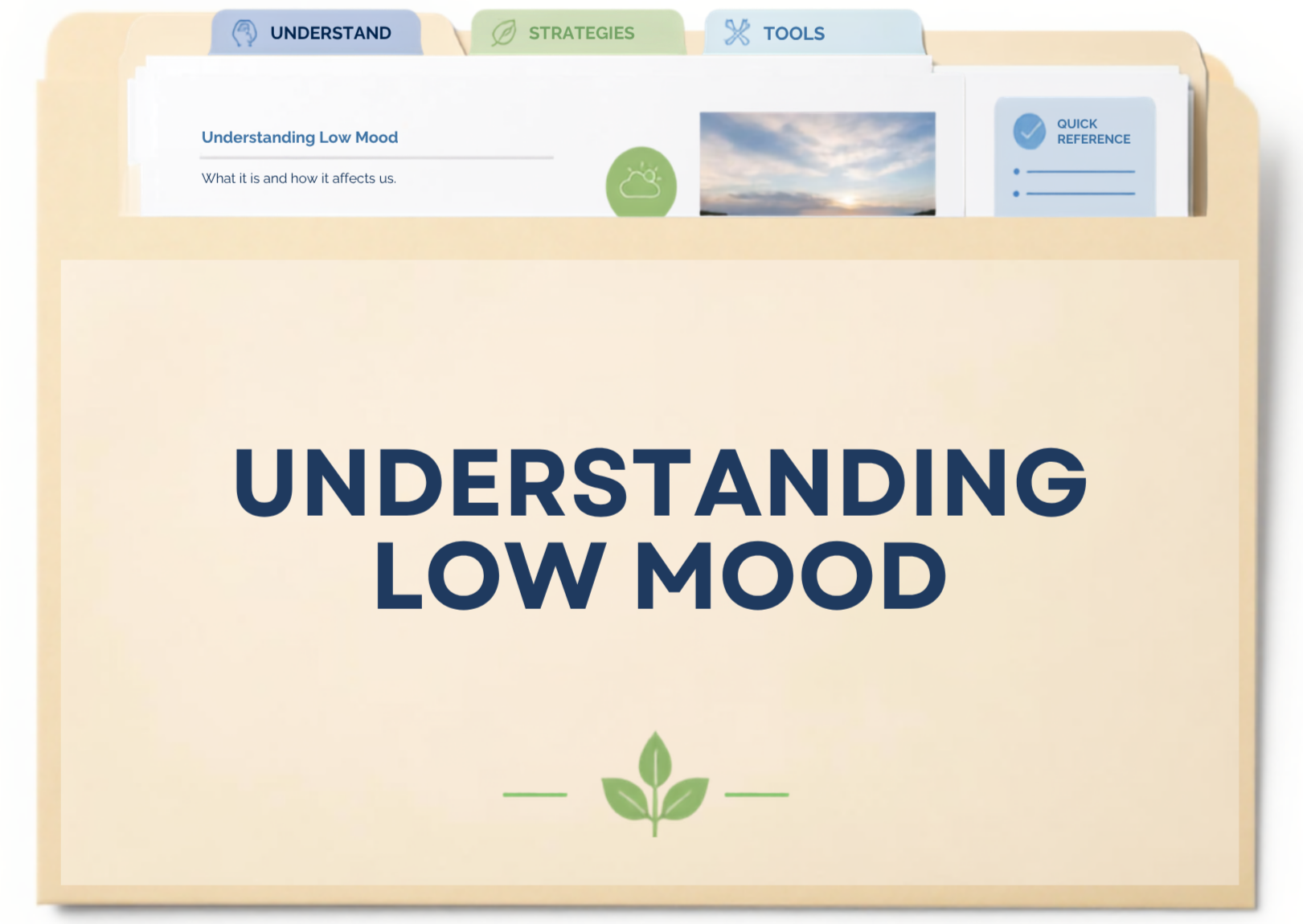
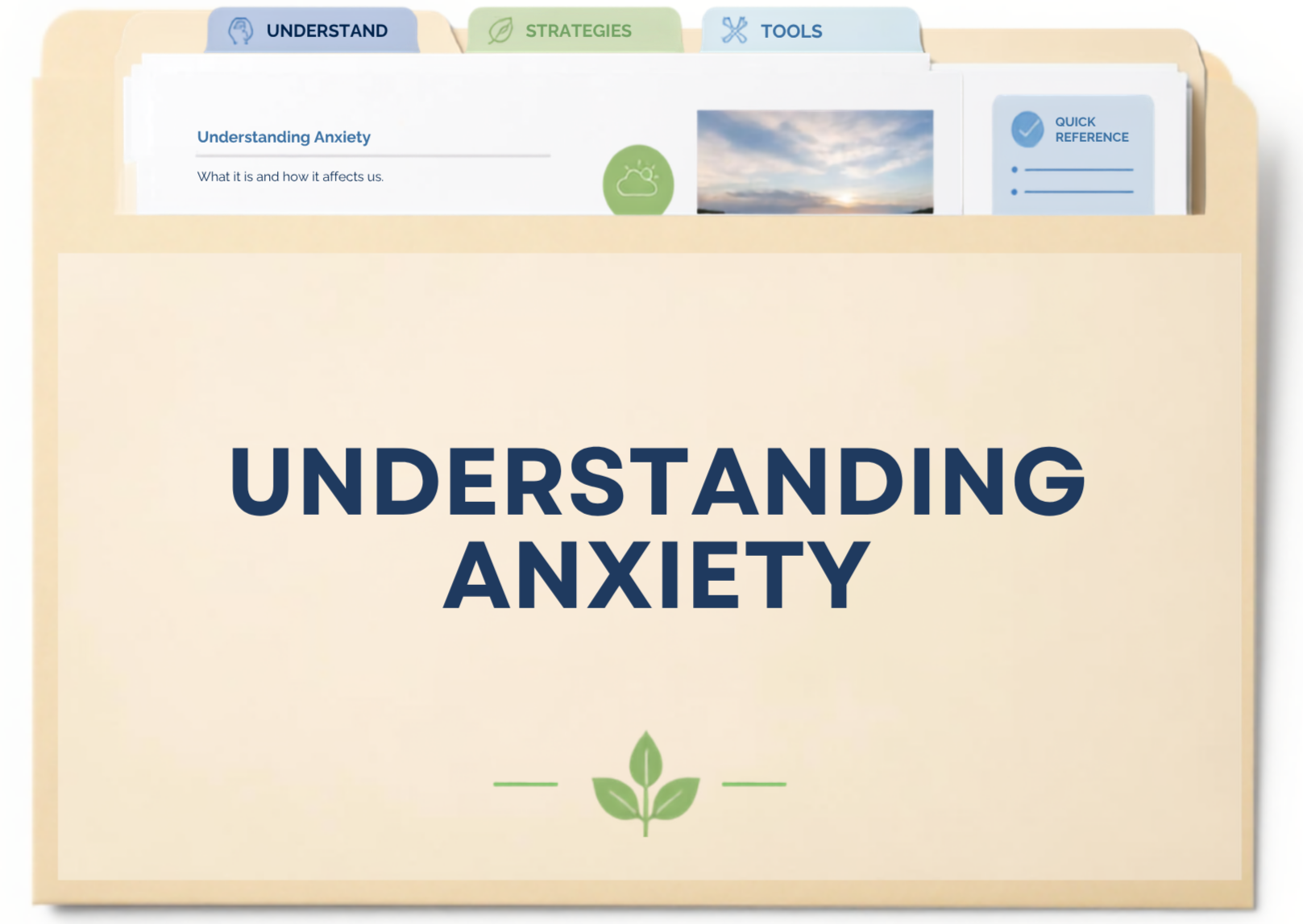
  • Understanding anxiety and low mood

  • Emotional awareness and resilience

  • Coping with transition periods

  • Practical wellbeing strategies

Sessions can be tailored to different age groups and needs.

Why work with Educate to Thrive ?

Our workshops are informed by the Educate to Thrive Approach, which draws on evidence-based psychological principles, including elements of cognitive behavioural therapy (CBT).

This ensures sessions go beyond general wellbeing advice. Instead, young people learn how thoughts, emotions and behaviours interact, and are introduced to practical strategies that can help them manage stress, anxiety and low mood during key transition periods such as exams, leaving schools and attending university.

Frequently Asked Questions

  • No. Thrive workshops are educational and preventative, helping students understand wellbeing and develop practical strategies to manage stress, worry and low mood. They are not a substitute for therapy or clinical treatment.

  • Yes. Workshops can be adapted to suit different year groups, topics or pastoral priorities, depending on the needs of the students and the school.

  • Students safety is always prioritised. Workshops follow clear boundaries, participants are not asked to disclose personal experiences, and any safeguarding concerns are managed in line with the school’s or organisations safeguarding procedures and reported to the Designated Safeguarding Lead.

  • Yes. I hold an enhanced DBS check and have completed safeguarding training for both children and adults.

  • Schools and organisations can request more information or enquire about availability through the contact form. Further details about workshop options and pricing will then be provided.

  • Pricing depends on the number of sessions and the needs of the school/organisation. Please get in touch to discuss workshop options and receive further information.